Boost Fertility with Advanced Hormonal Therapies in Bangkok
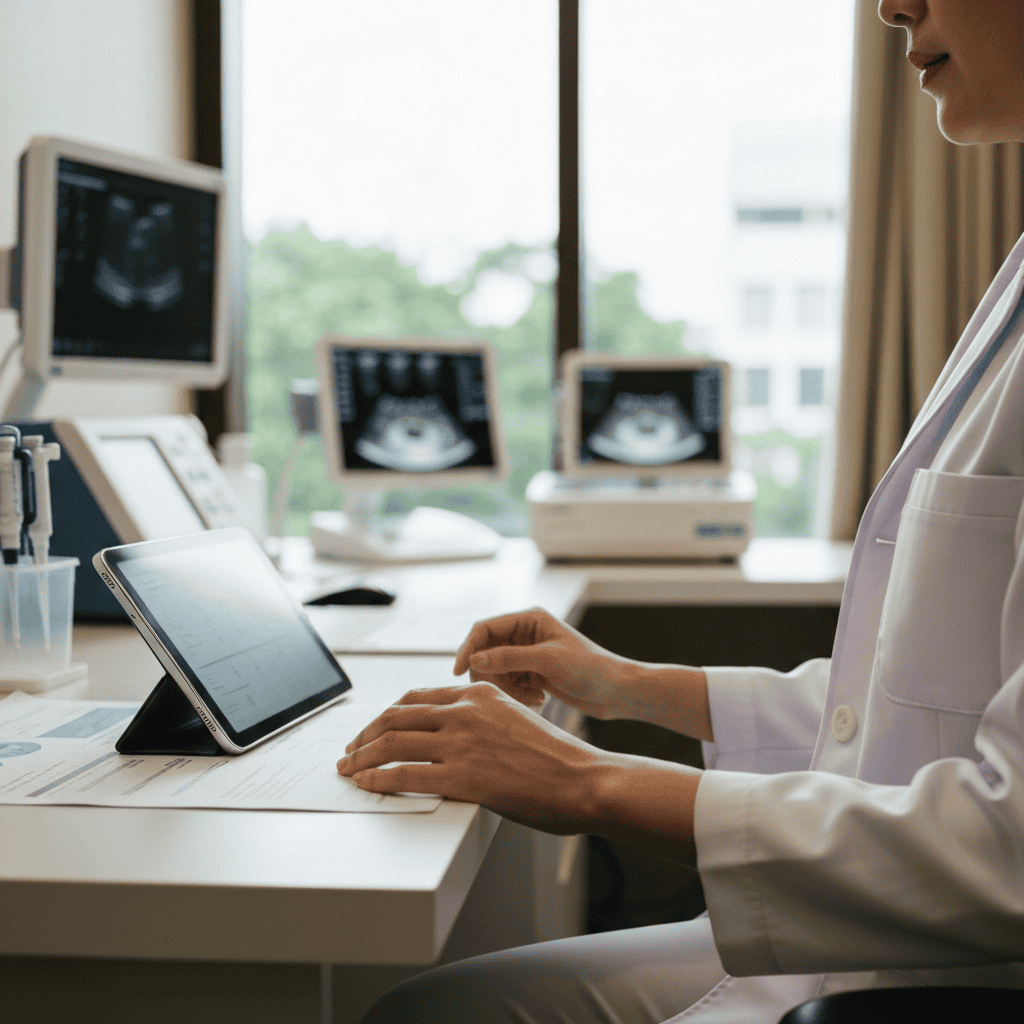
Advancements and Efficacy of Hormonal Therapies in the Management of Infertility in Bangkok
Understanding Hormonal Mechanisms in Infertility Management
Hormonal therapies constitute a pivotal approach in treating infertility by directly addressing endocrine imbalances that disrupt reproductive functions. In clinical settings across Bangkok, these treatments optimize the hormonal milieu to promote ovulation, regulate menstrual cycles, and enhance endometrial receptivity. Key hormones involved include follicle-stimulating hormone (FSH), luteinizing hormone (LH), estrogen, and progesterone, each playing a distinct role in the reproductive axis.
Mechanistically, therapies administer synthetic or recombinant forms of these hormones to compensate for deficiencies or dysfunctions. For instance, controlled ovarian hyperstimulation protocols utilize exogenous FSH to induce follicular growth, while LH or human chorionic gonadotropin (hCG) triggers ovulation. The precision in dosing and timing is critical to minimize risks such as ovarian hyperstimulation syndrome (OHSS) and to maximize pregnancy outcomes.
Recent Innovations in Hormonal Treatments
The landscape of infertility treatment in Bangkok has experienced significant evolution with emerging hormonal agents and tailored protocols. Long-acting gonadotropin formulations and personalized medicine approaches based on patient-specific hormonal profiles have enhanced treatment efficacy. Additionally, advancements in recombinant hormone production ensure higher purity and consistent bioactivity.
Another notable development is the integration of adjunct therapies, such as aromatase inhibitors, which modulate estrogen levels to improve follicular response in resistant cases. Such innovations facilitate more effective protocols that reduce cycle cancellations and increase live birth rates.
Implementation Strategies and Clinical Considerations
Effective application of hormonal therapy requires a multidisciplinary approach involving endocrinological assessment, imaging, and laboratory monitoring. Patients undergo hormonal profiling to identify specific deficits or imbalances, followed by protocol selection guided by factors such as age, ovarian reserve, and underlying pathology.
Throughout treatment cycles, continuous monitoring via serum hormone levels and ultrasonography enables dynamic adjustments, optimizing follicular development and endometrial conditions. Side effect management and patient counseling are integral to maintaining adherence and improving outcomes.
Key Strategies for Optimizing Hormonal Therapy Outcomes
- Comprehensive Hormonal Assessment: Baseline and dynamic hormone tests to tailor therapy
- Personalized Dosage Regimens: Adjusting hormone types and doses based on individual response
- Monitoring and Adjustment: Frequent clinical and laboratory monitoring to avoid complications
- Combination Approaches: Using adjunct medications to enhance efficacy in resistant cases
Clinical Efficacy of Hormonal Therapy in Bangkok’s Infertility Treatment
Data from fertility centers in Bangkok indicate that hormonal therapies, when appropriately administered, significantly improve ovulation induction rates and subsequent pregnancy chances. Protocol refinement supported by real-time hormonal and ultrasound monitoring has elevated success metrics. Moreover, local expertise allows adaptation of global hormonal treatment guidelines to the demographic and epidemiological context of patients in Bangkok.
For patients seeking infertility solutions, a range of hormonal options are available, from oral agents to injectable gonadotropins, each with specific indications and expected outcomes. Integration with assisted reproductive technologies further enhances success rates.
Interested individuals can explore comprehensive services that combine diagnostic precision with advanced hormonal therapies at specialized clinics offering Infertility Treatment in Bangkok .
Comparative Summary of Common Hormonal Therapies
| Therapy Type | Main Mechanism | Indications | Advantages | Considerations |
|---|---|---|---|---|
| Clomiphene Citrate | Estrogen receptor modulation to induce ovulation | Anovulation, PCOS | Oral administration, cost-effective | Possible anti-estrogenic effect on endometrium |
| Gonadotropins | Direct stimulation of ovarian follicle growth | Hypogonadotropic hypogonadism, ovulation induction failure | Controlled response, injectable | Risk of OHSS, requires monitoring |
| Aromatase Inhibitors | Reduction of estrogen synthesis to enhance FSH secretion | Clomiphene-resistant patients | Improved endometrial environment | Limited long-term data |